jay@nbdho.com

Choosing Food-Grade Linings: Compliance Considerations for Exports
Article Content
Introduction
Selecting the right food-grade linings is essential for exporting products such as lunch boxes, containers, and thermal bags. Compliance with regulations like FDA (USA), LFGB (Germany), and EU food contact standards ensures product safety and market access. 🥗🌍
1. 🧴 Types of Food-Grade Linings
-
Plastic Linings
-
Common materials: PE, PP, PET.
-
Ensure they are BPA-free and compliant with food contact regulations.
-
-
Silicone Linings
-
Flexible, heat-resistant, and safe for repeated use.
-
Suitable for lids, seals, and flexible containers.
-
-
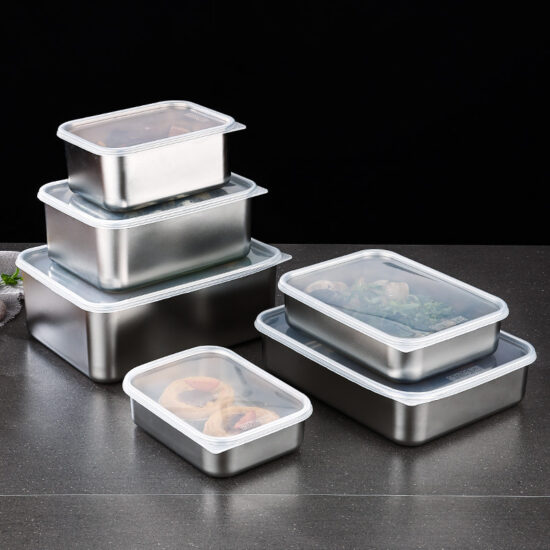
Metal Coatings
-
Stainless steel or aluminum coatings that meet food safety standards.
-
Often used for thermal containers and utensils.
-
-
Composite & Eco-Friendly Linings
-
Biodegradable or recycled materials for sustainable products.
-
Must still comply with safety standards for food contact.
-
2. ⚖️ Compliance Considerations
-
Regulatory Requirements
-
FDA: Food contact materials for the U.S. market.
-
LFGB: German food safety regulations.
-
EU: EC 1935/2004 for food contact materials.
-
-
Migration & Safety Testing
-
Ensure no harmful substances leach into food.
-
Conduct chemical, thermal, and mechanical testing as required.
-
-
Documentation
-
Maintain certificates of compliance, test reports, and technical files for customs and buyers.
-
3. 🏭 Export & Production Best Practices
-
Supplier Selection
-
Choose certified suppliers experienced in food-grade materials.
-
-
Material Traceability
-
Keep records of batch numbers, certificates, and production dates.
-
-
Quality Control
-
Regular inspections and testing during production to ensure compliance.
-
4. 🌟 Benefits of Proper Food-Grade Linings
-
✅ Export Market Access: Meet regulatory requirements for international buyers.
-
✅ Customer Safety & Satisfaction: Ensure products are safe for repeated food contact.
-
✅ Reduced Liability: Minimize risk of recalls or legal issues.
-
✅ Brand Reputation: Demonstrates commitment to quality and safety.
5. 💡 Best Practices
-
🖼️ Select Materials Carefully: Match lining type to product usage and temperature requirements.
-
🔄 Test Regularly: Conduct batch testing for migration, durability, and thermal resistance.
-
🌱 Document & Certify: Keep compliance certificates readily available for exports.
-
📦 Educate Partners: Provide handling and usage instructions to distributors and customers.
Conclusion
Choosing food-grade linings with proper compliance considerations is critical for safe, export-ready products. By selecting the right materials, testing for safety, and maintaining thorough documentation, manufacturers can ensure market access, customer trust, and long-term success. 🥗🌍🧴